What Soil Are you?
- Ruben

- Nov 21, 2018
- 2 min read
In all the research I've done I've frequently come across the importance of understanding your soil and ensuring the best quality structure you can.
Sand, silt, clay, chalk, loam or peat, these are the different soil types found in allotments and gardens. By knowing which soil type you have you can improve in the right way and be sure to sow the right plants to get maximum yields.
Sandy soil has a gritty composition, is very lightweight and falls through the fingers. Wet wet it is very difficult to roll to a sausage.
Clay soil is heavy, and when wet can be moulded and rolled very easily. Really heavy clay soils can in fact be rubbed to have a shiny surface.
Sandy soils are easier to work, however are likely to have less nutrients, whereas clay soils hold lots of nutrients, but also hold water.
Whatever your soil type, it is important to improve its quality and structure by the addition of organic matter such as horse, cattle, chicken poop or compost. In sandy soils it can help to improve water retention, whereas in clay it breaks up the clumps making it easier for plants to access the water.
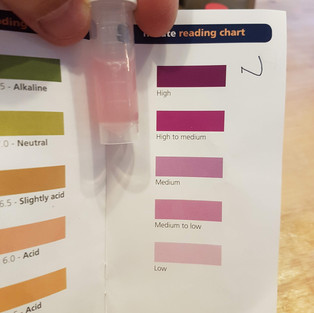
To understand your soil more I'd advise buying a soil testing kit. I bought mine from Amazon for about £10, and followed the instructions to test the pH (acid to alkaline), Nitrogen (N), Phosphorus (P) and Potassium (K).
Different plants and vegetables will require different types of nutrients in the soil. The NPK volumes of fertilisers are displayed on packs to enable you to make the right choice to improve the quality of your soil.
My soil is Low N, medium P and K. Healthy growth starts with N so I have to get well rotted manure in to the soil! The pH on the kit was difficult to assess however when using pH stripes normally used for testing water it showed a pH of around 6.8 which is pretty much ideal for growing veg.







Well rotted manure can be really easy to come by, speak to your fellow allotment holders to find a good source. Our local butcher farms the cattle and composts the manure. The half load delivered in the pictures cost me £20 and was more than 30 barrow loads. In fairness too much for me to use straight away but it'll store for future and decompose further.


On my plot I have a light and flaky soil that I feel is sandy. I'm going to add organic matter in the form of cattle manure, however I'll be adopting the No Dig approach as demonstrated by Charles Dowding for the last 35 years. I've been told this will only be possible by first digging in organic matter, however this is not the case as the nutrition and matter will makes it way down over time with the help of nature. It also avoids damaging the soil but that's a topic in itself.
It's November, which is a great time to get out and work on these elements before it gets too chilly! That also gives enough time for the composting of the organic matter to continue ahead of the growing season.

Comments